
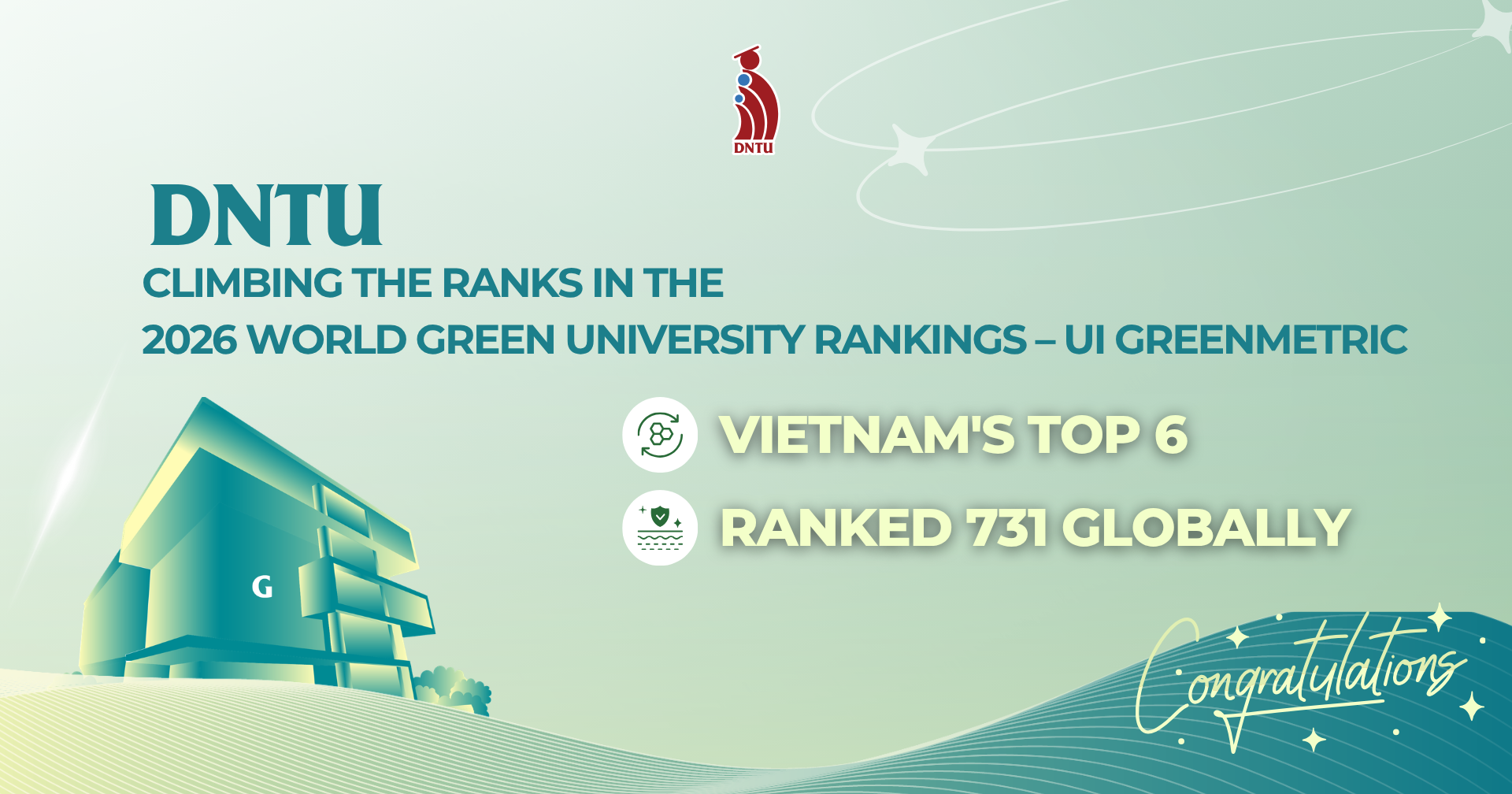
DNTU Climbs 174 Places in the UI GreenMetric World University Rankings 2026
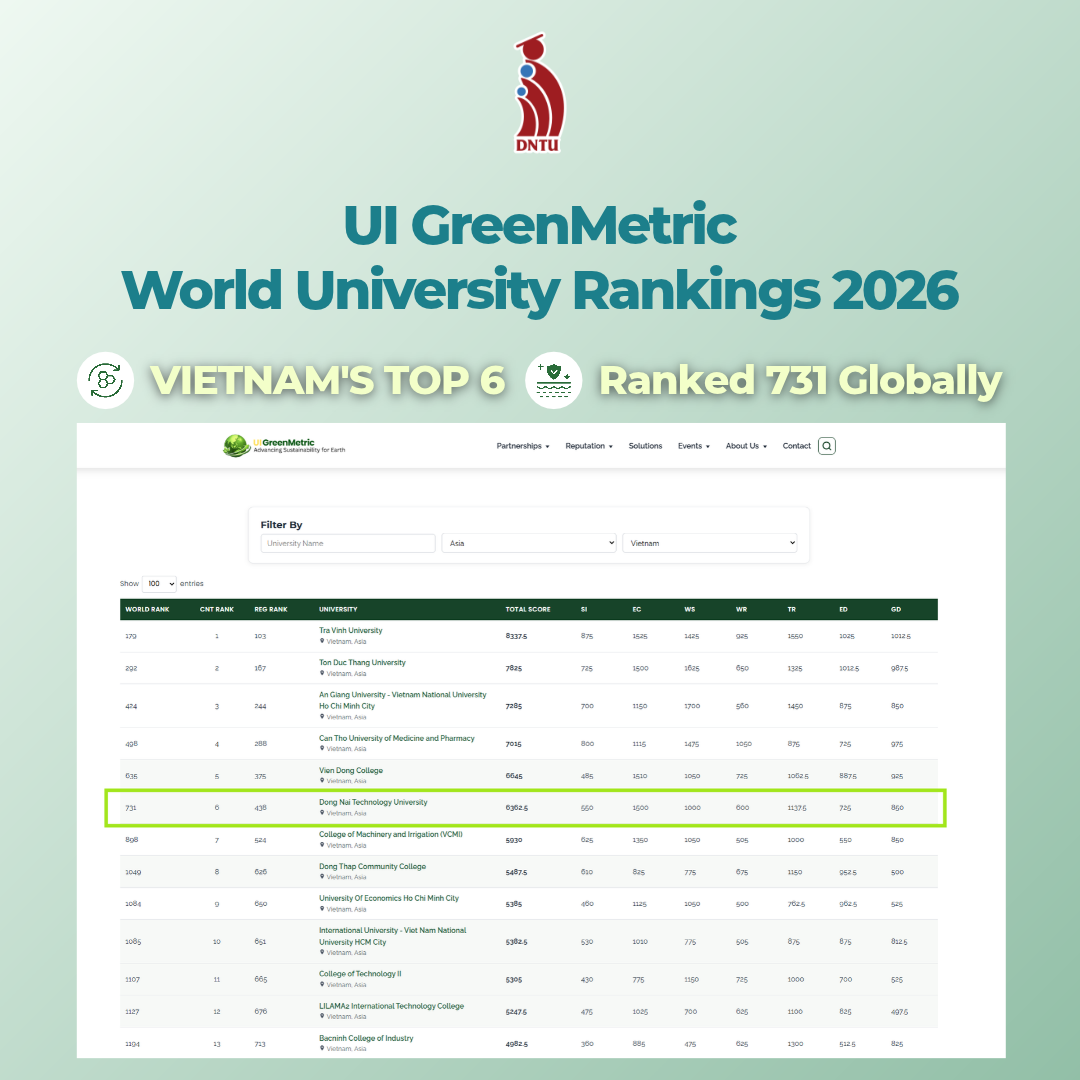
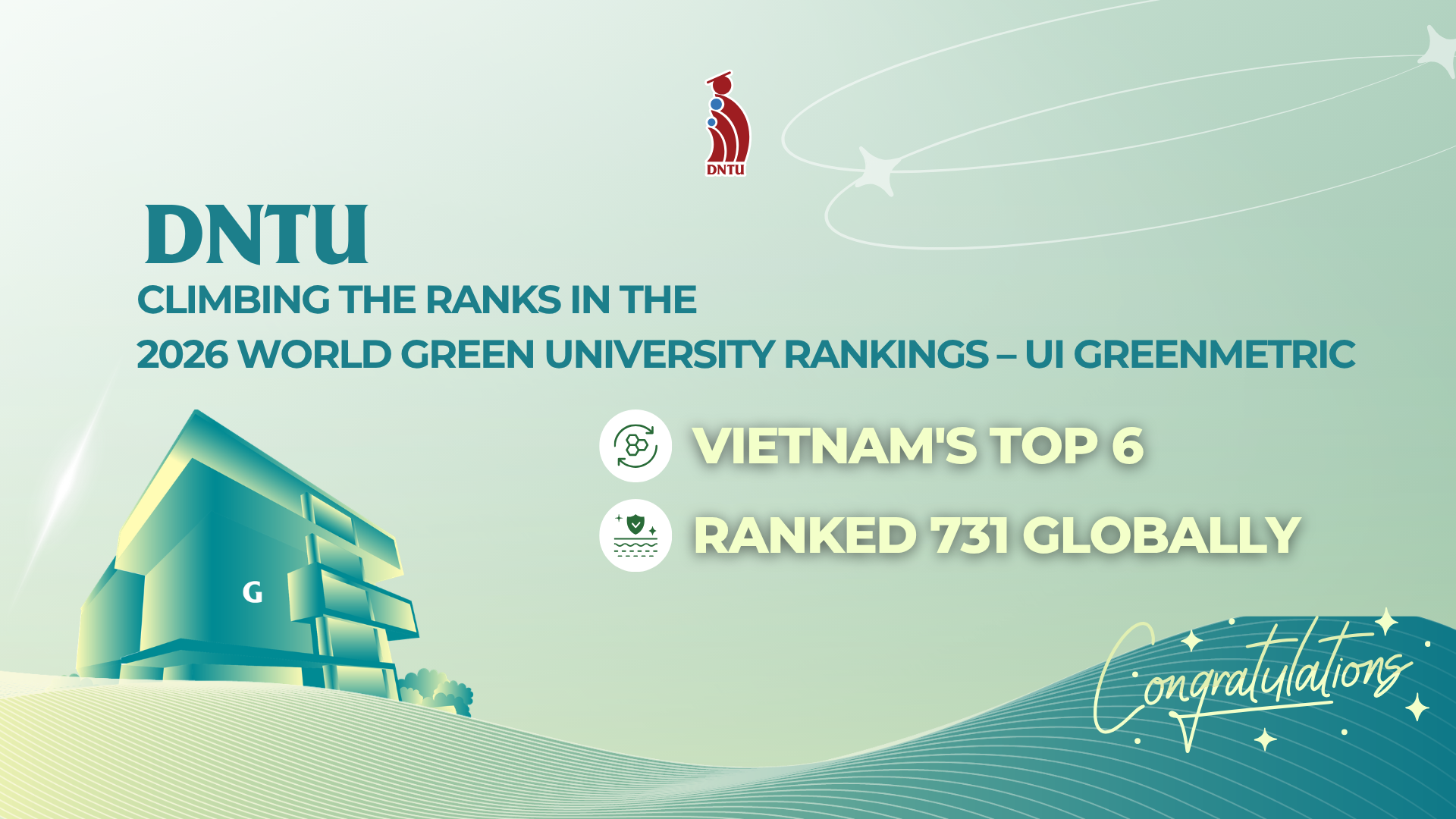
Continuing its journey toward a green and sustainable university model, Dong Nai Technology University (DNTU) has ranked 731st worldwide, climbing 174 places compared with 2025. The University also improved its ranking in Asia by 93 places while maintaining its 6th position in Vietnam. These results mark DNTU’s progress amid the expanding scale and international participation of the UI GreenMetric World University Rankings.
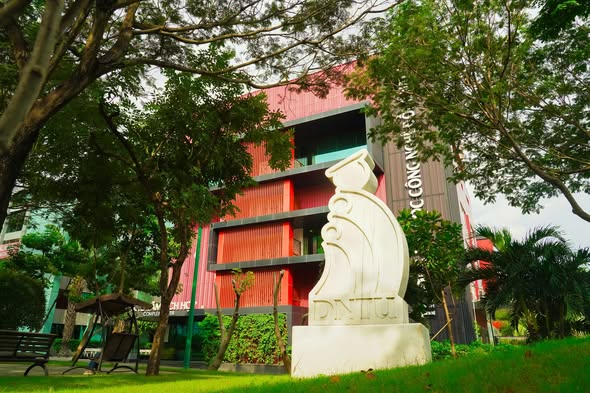
DNTU Makes Further Progress in the Global Green University Rankings
Dong Nai Technology University (DNTU) continues to make progress in its efforts to build a green and sustainable educational environment, ranking 731st out of 2,016 higher education institutions participating in the UI GreenMetric World University Rankings 2026.
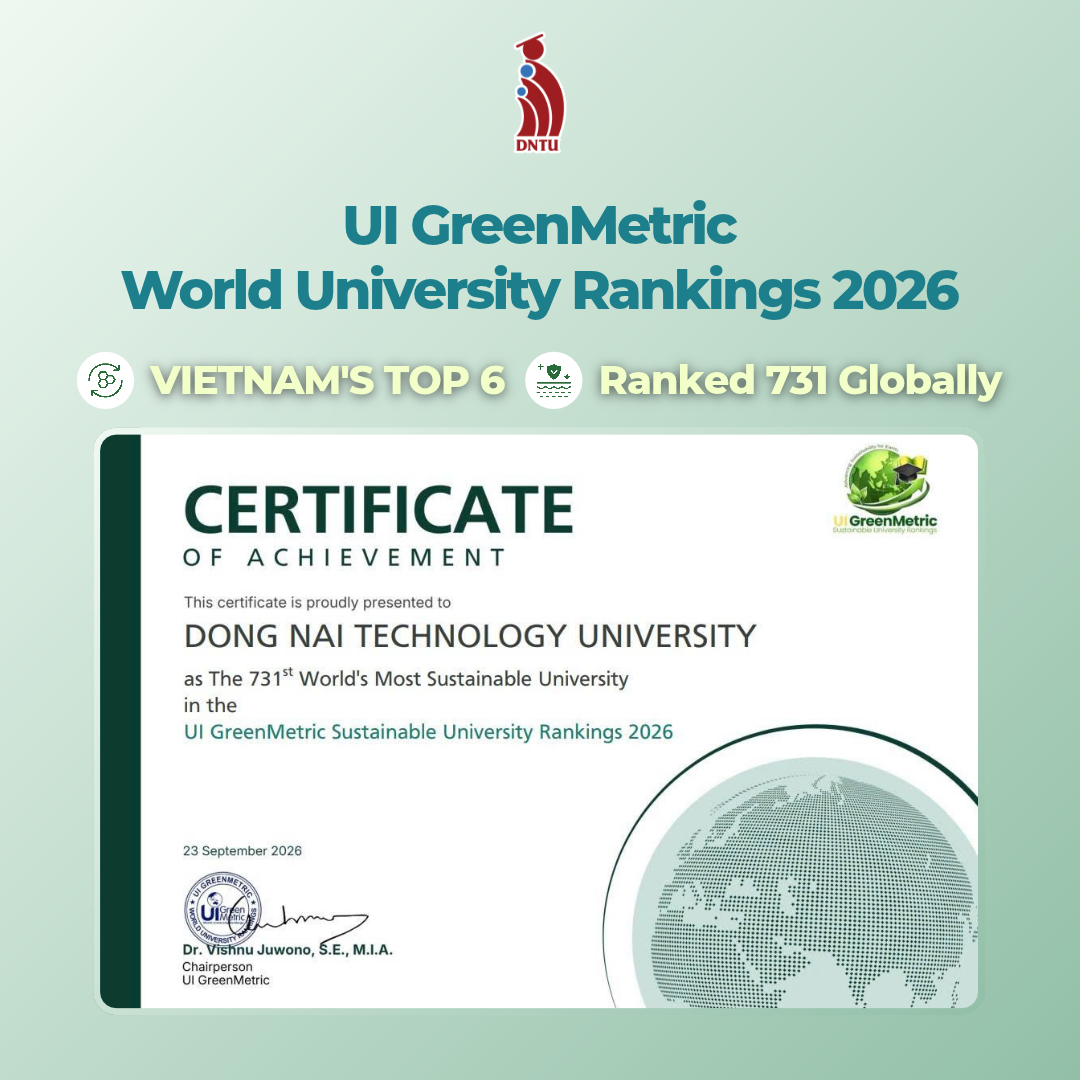
Compared with 2025, when DNTU ranked 905th worldwide, the University climbed 174 places. Its ranking in Asia also improved by 93 places. Notably, DNTU maintained its 6th position in Vietnam, despite the number of Vietnamese universities participating in the rankings increasing from 11 in 2025 to 21 in 2026.
These results represent a noteworthy improvement in DNTU’s international standing and demonstrate the University’s continued progress within an increasingly broad and competitive assessment framework.
While 2025 marked a milestone for DNTU with its entry into the Top 1,000 Green Universities worldwide, the 2026 results reflect further progress, with the University advancing another 174 places. This achievement provides additional momentum for DNTU to pursue its development strategy, integrating educational quality with environmental responsibility, efficient resource use, and sustainable values for the community.
UI GreenMetric and a Comprehensive Approach to Green Universities
The UI GreenMetric World University Rankings is an international ranking initiative launched by Universitas Indonesia to assess universities’ efforts in creating environmentally friendly campuses and promoting sustainable development.
The assessment covers several key areas, including setting and infrastructure; energy and climate change; waste management; water management; transportation; and education and research on sustainability.
These criteria reflect a comprehensive approach to the concept of a green university. Sustainability is not defined solely by campus landscapes or the amount of green space available; it also depends on how an institution plans its physical environment, uses resources, manages its operations, and incorporates environmental issues into education and training.
From this perspective, sustainability in higher education encompasses both physical conditions and human development. An environmentally friendly campus provides a foundation for a positive learning experience, while education, research, and community engagement help foster awareness, competencies, and responsible behavior.
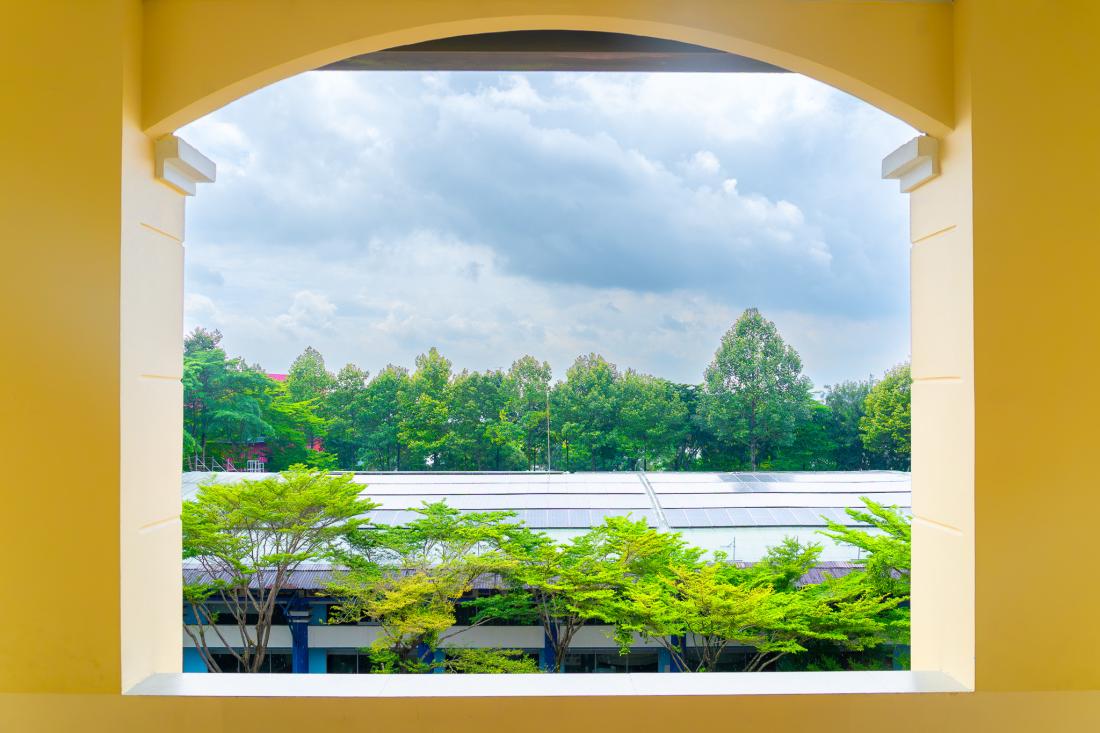
This is what gives the green university model significance beyond campus management. By integrating sustainability principles into educational activities, universities can prepare students not only with professional competencies but also with the ability to understand and respond to environmental challenges in their future lives and careers.
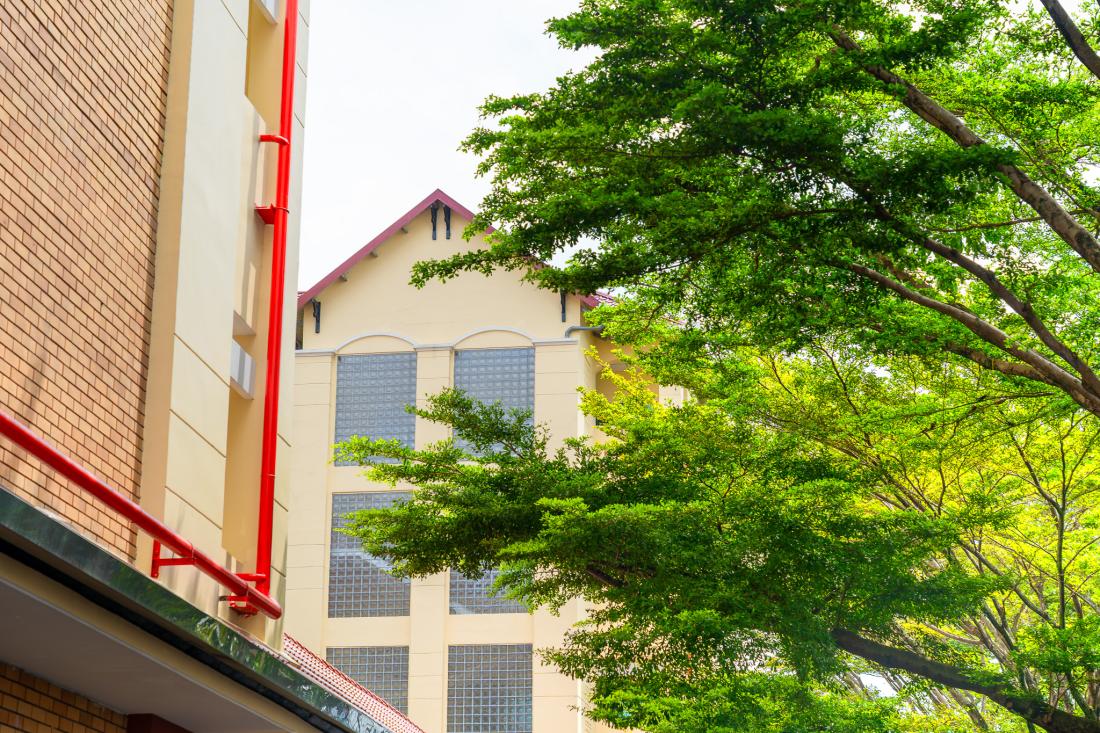
From the Learning Environment to the Shared Responsibility of the DNTU Community
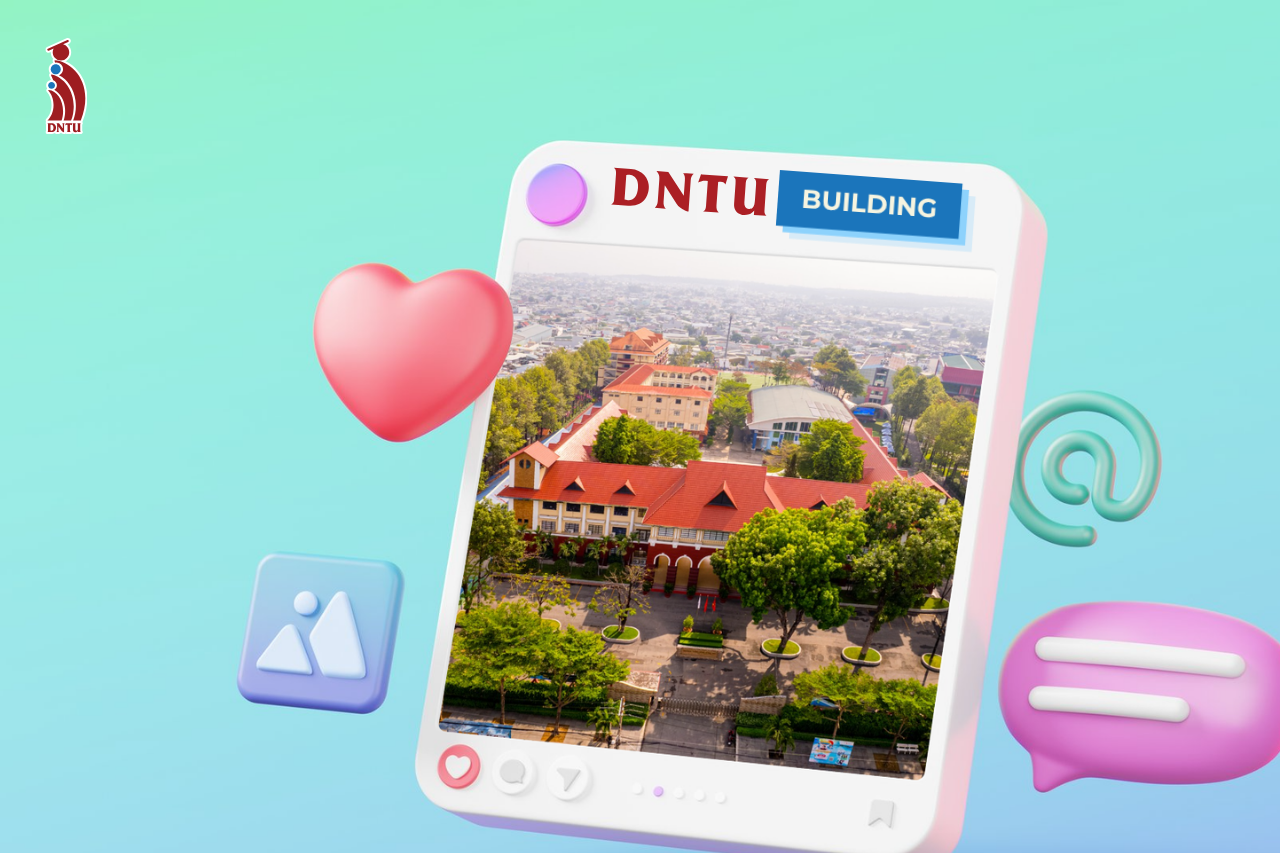
At DNTU, the green university orientation is closely linked to the goal of creating a friendly educational environment, improving resource efficiency, and promoting a sense of responsibility throughout the University community.
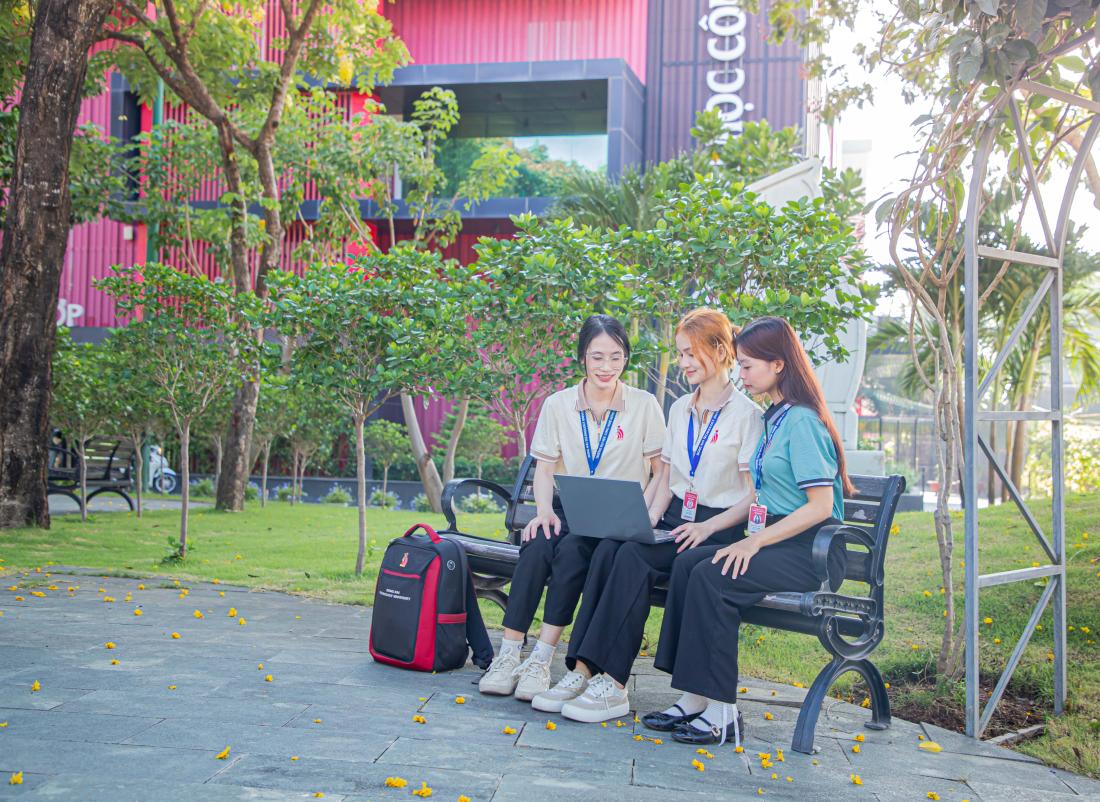
In practice, these values can be reflected in maintaining clean and well-organized learning spaces, using electricity and water efficiently, reducing waste, paying attention to waste management, and encouraging environmentally responsible habits. When practiced consistently, such everyday actions can contribute to fostering a culture of sustainability on campus.
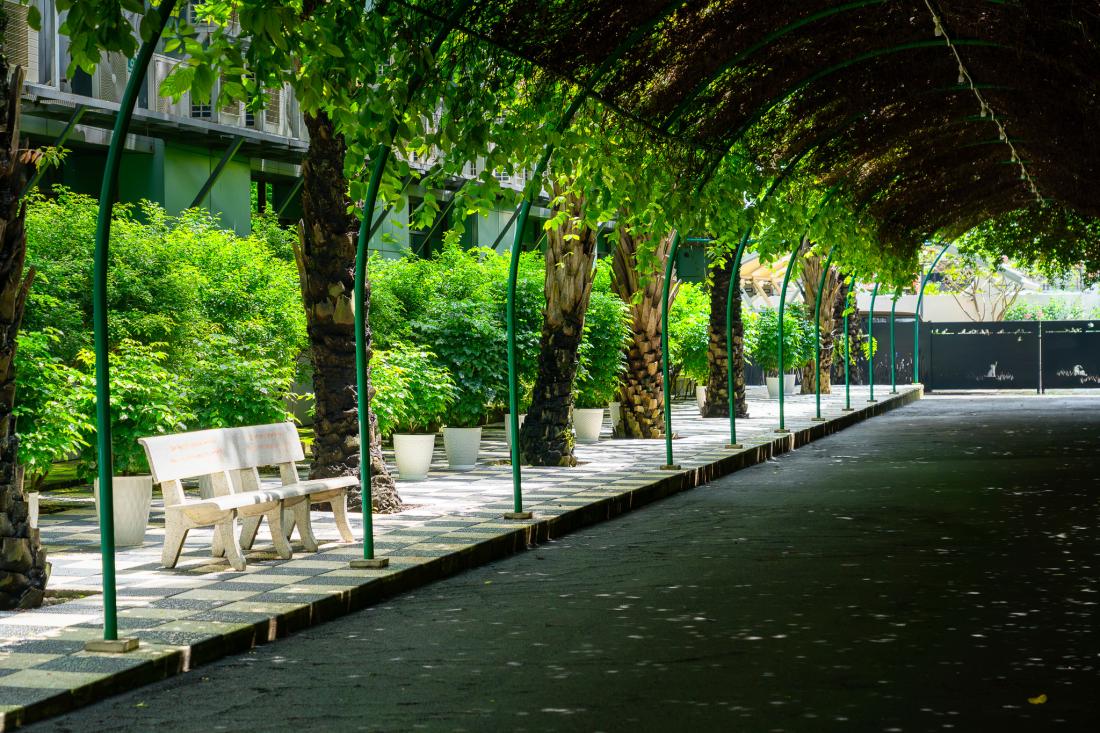
Education plays a vital role in ensuring that these actions go beyond temporary participation and become lasting awareness and habits. Faculty members, lecturers, staff, and students can all contribute to this process through their professional responsibilities, learning activities, and everyday choices.
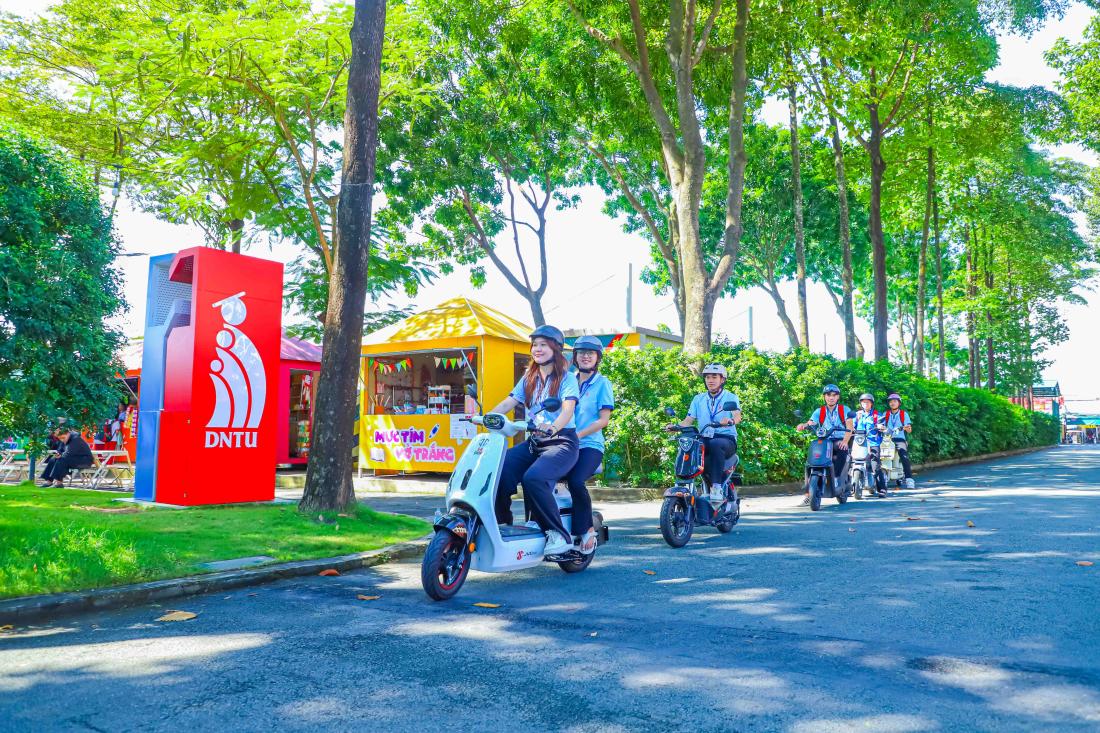
From this perspective, building a green university is both a responsibility in the University’s management and development and an opportunity for the DNTU community to work together in creating a more responsible living and learning environment. The value of this commitment extends beyond the campus, as students can carry positive awareness and habits into their families, workplaces, and wider society.
Building on Progress Toward Long-Term Sustainability
DNTU’s performance in the UI GreenMetric World University Rankings 2026 marks another step forward in the University’s journey toward becoming a greener institution. However, the long-term significance of this achievement lies not only in the improvement in rankings but also in the ability to translate sustainability goals into tangible improvements in the educational environment and the University’s operations.
Moving forward, further progress will require continued reviews of relevant assessment criteria, the strengthening of appropriate initiatives, and greater awareness of environmental responsibility throughout the University community. This process calls for coordination among institutional leadership, professional and academic activities, and the active participation of every member.
With a 174-place improvement worldwide, a 93-place rise in Asia, and its continued 6th-place ranking in Vietnam, DNTU is further motivated to pursue its goal of building a green university that connects educational quality with community responsibility and sustainable development.
COMMUNICATIONS - EVENTS DEPARTMENT